Journal entries

Journal entries, or accounting treatments, refer to the way in which a transaction is recorded and reflected in a company’s information and reports. Within a company, processes have been set up to achieve its objectives — for example, acquire to retire for the purchase of tangible and intangible assets, procure to pay to obtain goods, or order to cash for sales activities. Within these processes, the company engages in transactions with third parties that need to be accounted for. Next to financial transactions, this also relates to environmental or social transactions that the company will keep record of and report on.

In practice, consistent application of accounting journal entries is harder than it sounds. When booking procedures are undocumented or stored informally, the same transaction gets recorded differently depending on who processes it — leading to reconciliation differences, closing corrections and audit questions that could have been avoided with clearer guidance in place.
OBJECTIVE OF THE ACCOUNTING TREATMENT

The objective of the accounting treatment is to ensure that transactions are accurately recorded and reflected in a company’s financial and ESG statements. This involves identifying, measuring, recording and communicating information about a company’s activities to stakeholders.

The accounting treatment of a transaction should reflect the underlying economic substance of the transaction and should result in statements that are reliable, relevant and comparable over time. The accounting treatment should also comply with legal and regulatory requirements and be consistent with the company’s accounting policies and procedures.

The primary objective of the accounting treatment is to provide stakeholders with useful information about a company’s performance and positions.

STEPS TO TAKE

The accounting treatments involve several steps, including identifying the transaction, determining the appropriate account(s) to record the transaction, and determining the timing and method of recognition for the transaction.

1.Identify the transaction: The first step is to identify the transaction that has occurred. This could be a purchase, sale, payment, receipt, CO2 emission or other type of activity.

2. Determine the accounts involved: Once the transaction has been identified, the next step is to determine the accounts that will be affected by the transaction. This will depend on the nature of the transaction and the type of accounts involved. For example, if a company sells products to a customer, the accounts involved might include accounts receivable, revenue and cost of goods sold.

3. Determine the timing of recognition: The next step is to determine the timing of recognition for the transaction. This will depend on the accounting standards and principles that apply to the transaction, as well as the company’s specific accounting policies and procedures. For example, revenue may be recognised at the time of sale (point in time) or it may be recognised over a period of time (over time).

4. Determine the method of recognition: Finally, the method of recognition needs to be determined. This refers to the way in which the transaction will be reflected in the company’s financial or ESG statements. This may involve creating journal entries, adjusting existing entries or reclassifying entries to ensure that the financial statements accurately reflect the company’s financial position.

ACCOUNTING JOURNAL ENTRIES

A journal entry is a record of a transaction recorded in a company’s general ledger. It is the first step in the accounting process and is used to document all transactions that occur within a company, including purchases, sales, payments and receipts.

Each accounting journal entry contains a date, a description of the transaction, and one or more debit and credit entries. The debit and credit entries must always balance — the total amount debited must equal the total amount credited. This is known as the double-entry bookkeeping system.

Debit entries represent money coming into the business, while credit entries represent money going out of the business. For example, if a business receives cash from a customer, the journal entry would include a debit to the cash account and a credit to the accounts receivable account. If a business pays a supplier for goods, the journal entry would include a debit to the accounts payable account and a credit to the cash account.

Journal entries are important because they provide a detailed record of all transactions that occur within a business. This information is used to prepare financial statements, such as the balance sheet and income statement, which provide an overview of the company’s financial performance. Journal entries also help ensure that the company’s books are accurate and that all transactions are recorded properly.

CONSISTENT APPLICATION OF ACCOUNTING TREATMENTS

Ensuring that accounting treatments are applied accurately and consistently is important to maintaining the reliability and accuracy of a company’s financial and ESG statements. Here are some ways to ensure that accounting treatments are applied accurately and consistently:

1.Develop and maintain accounting policies and procedures: A company should have clearly defined accounting policies and procedures that are documented and communicated to all employees involved in the accounting process. These policies should be reviewed regularly to ensure they are up-to-date and relevant.

2. Provide training and education: Employees involved in the accounting process should receive adequate training and education on the company’s accounting policies and procedures. This helps ensure that everyone understands how to apply the policies consistently and accurately.

3. Establish internal controls: A company should establish internal controls that provide reasonable assurance that financial transactions are recorded accurately and consistently. Internal controls may include segregation of duties, review and approval processes, and regular reconciliations.

4. Perform regular audits: A company should perform regular audits of its accounting records and financial statements to ensure that accounting treatments are applied accurately and consistently. Audits may be performed internally or by an external auditor.

5. Monitor and analyse financial and ESG data: A company should regularly monitor and analyse its financial data to identify any errors or inconsistencies. This helps to ensure that accounting entries are applied accurately and consistently, and that any issues are addressed promptly.

journal entries and the Fidugius solution

DOCUMENTING JOURNAL ENTRIES AND ACCOUNTING TREATMENTS

When accounting journal entries and booking procedures are documented in a structured, accessible platform, everyone responsible for processing transactions works from the same instructions. There is no ambiguity about which accounts to use, how to classify a transaction or how the applicable accounting policy relates to the booking. The result is fewer corrections, more consistent reporting and a cleaner audit trail.

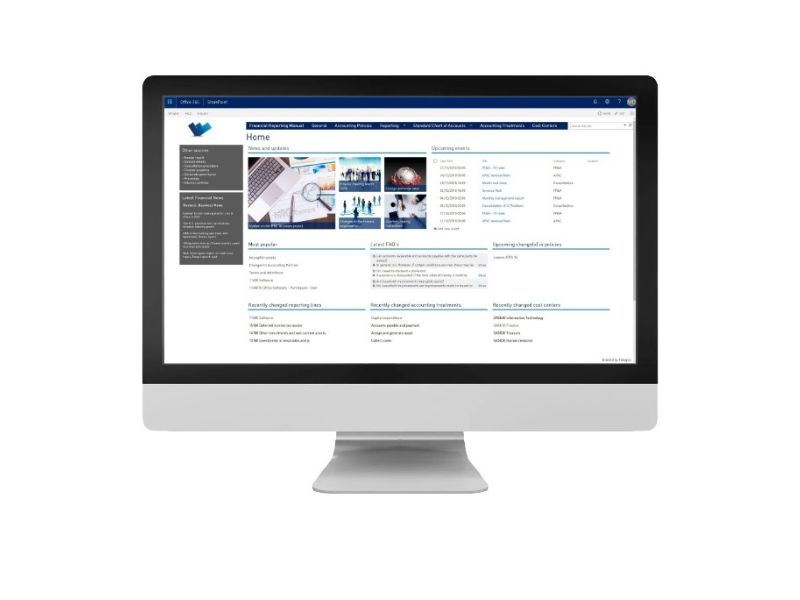
The Fidugius Financial Accounting & Reporting Manual provides all those responsible for posting journal entries with a clear understanding of how to process each transaction — with examples, links to the relevant accounting policy and direct references to chart of accounts definitions. Accounting treatments for both financial and ESG transactions are covered in one structured, searchable platform.

Prefer to stay informed first? Follow us at Linkedin.

Name(Required)
This field is hidden when viewing the form
Opt-in

×
×